Sunday, 2 June 2013

St. Kentigern's Church, Caldbeck

The Church has been designated by English Heritage as a Grade 1 Listed building. 

Parts of the Church date back to the 12th and 13th Centuries. It was built on the site of a previous Church from the 6th Century. It is dedicated to Saint Kentigern, otherwise known as Saint Mungo.

The most famous 'resident' of the graveyard is former hunter,  John Peel. His exploits led to the well known song - 'Do Ye Ken John Peel?'  
A close up of the inscription on the headstone.  
A list of Caldbeck men is displayed in the Church entrance of those who served in  The Great War, 1914-1918. 
Interior of the Church. 

The Church is in a most delightful setting. 
Gateway to and from the Church.

The Roughton Stone.

More From Caldbeck

There cannot be too many Clogmakers in business these days. This one is in the centre of the village of Caldbeck.
You wouldn't get this sort of service in the big cities!!
Looking toward the village square. 
The village tea rooms. This was a shop on my last visit to Caldbeck a few years ago.
Through an open gateway.
A row of cottages opposite the Church. 
And some more. 
On the edge of the village is an area known as Priest's Mill. It was a working mill many years ago. Now it is the home to a handful of businesses, such as 'The Wool Clip.' Note the crochet on the left hand upright. 
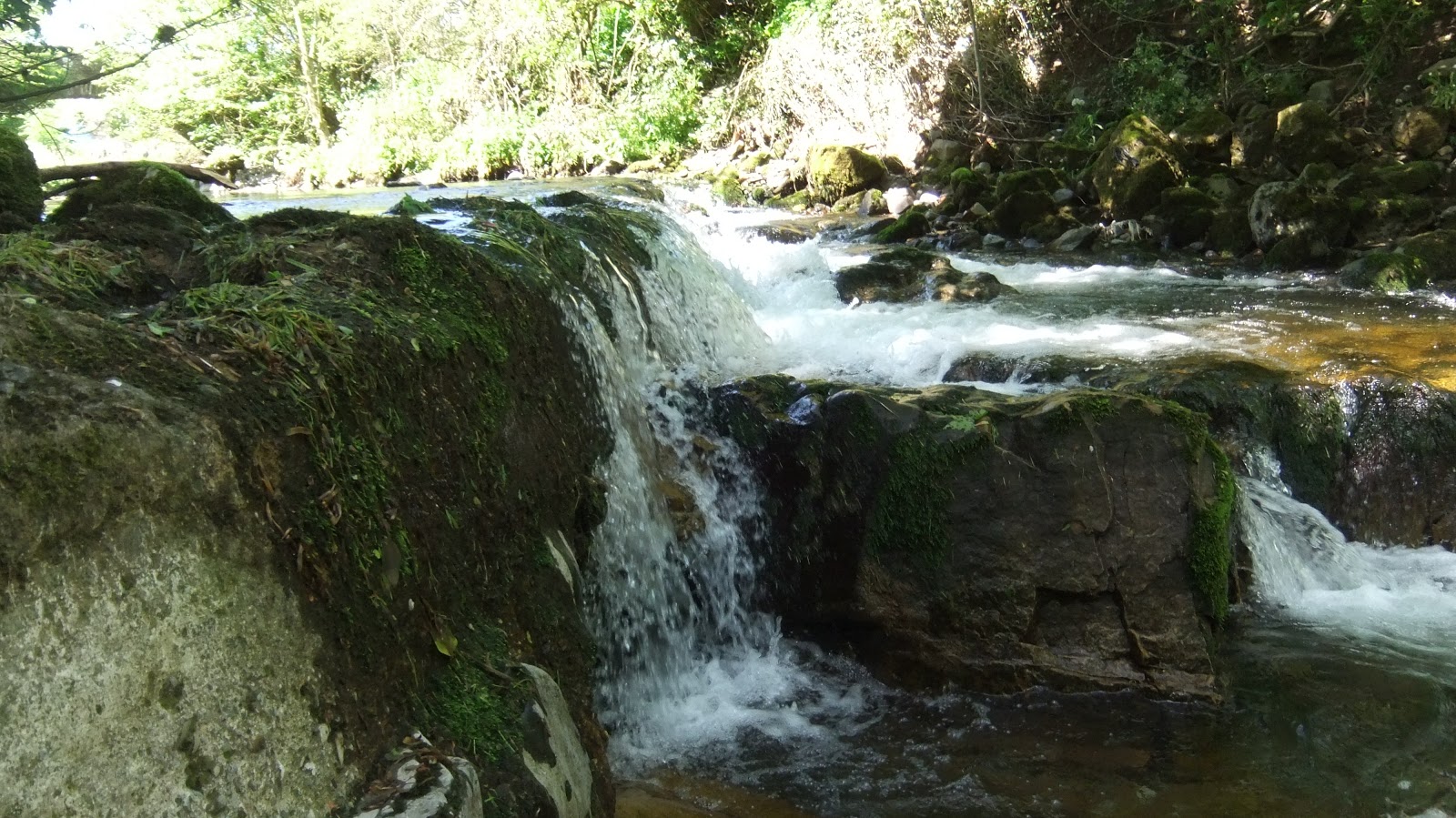
The Cald Beck that used to power the water wheel at the mill


This really is a rural part of Cumbria. Well worth a visit. 
The village pub. Yes, I did call in for liquid refreshment!
A look out through the pub window

Caldbeck

I visited the north Cumbrian village of Caldbeck last Friday. The nearest town is Wigton, 8 miles north east of the village. It is popular with tourists, many of whom visit the graveyard in which Caldbeck’s former resident, and famous hunter. John Peel, is buried.  
The village stores, post office and where you can also purchase fuel for the car.  

There are many fine cottages in the village. 

The river - Cald Beck - flows through the village.
Looking in the other direction.
This large wooden sculpture was in the garden of one of the cottages. 

Over the beck and wooden bridge for access to this cottage. 
There is obviously a good deal of pride in the village with the cottages beautifully painted. 

Saturday, 1 June 2013

Avenham Park, Preston

Just a five minute walk from the bustling shopping streets of Preston, is Avenham Park. It is an English Heritage Grade II listed park and maintained by the Preston City Council. It was so tranquil and colourful on the day that I visited earlier this week. 
The park was designed by Edward Milner in the 1860s. 


Looking across the park toward the River Ribble.
Statue of Lord Derby, the 14th Earl of Derby, who was the British Prime Minister 1866-1868. 


The park is bordered on one side by the River Ribble. The bridge was built for the East Lancashire Railway, now closed, and used as footpath and small roadway instead. 

Looking in the other direction, this bridge is very much in use, carrying the electrified West Coast main railway line
The Gazebo is dwarfed by a Weeping Willow.

I would have had to crawl through this! I didn't try. 
Part of the Japanese garden wihtin Avenham Park.
Another view of the Japanese garden. 

Final view of Avenham Park.